
Definitive guide
Claude vs Squarespace
Claude vs Squarespace: Which Is Better for Building Websites? (2026 Comparison)
Look, several years ago this was a simple choice. A no brainer… really. You either paid a web developer several thousand dollars, or you spent a long weekend arguing with a Squarespace grid editor until your site looked decent enough to launch.
Now? Everyone on social media is telling you to drop page builders entirely, fire up Claude, and prompt your whole site into existence in five minutes.
Sounds amazing on paper. I mean, why keep paying $14 every single month for a drag-and-drop subscription when an AI tool can output a full HTML page for practically nothing?
Because generating code isn't the same as running a live website. Squarespace gives you a finished product. Plumbing, security patches, payment setups—it’s all hooked up. Claude hands you raw code files. Great ones, sure, but you still have to set up your own domain routing, hosting scripts, and bug fixes when something breaks.
Before you jump into either option, let's break down where each tool actually makes sense for what you're trying to build.
Visual CMS vs. AI Vibe Coding
The landscape of digital creation has reached a massive fork in the road, defined by two completely opposing philosophies: pre-packaged visual control versus fluid, generative text-to-code creation.
On one side, established Visual Content Management Systems (CMS) like Squarespace provide an intuitive, reliable, and structured drag-and-drop ecosystem ideal for standard business sites, portfolios, and e-commerce.
On the other side, advanced AI coding tools like Anthropic Claude—leveraging generative features like Artifacts—have ignited the rise of "vibe coding," allowing non-developers to spin up custom web applications from scratch using plain conversational language.
While Squarespace guarantees stability, built-in hosting, and security guardrails at the expense of rigid layout constraints, Claude unlocks infinite functional flexibility and rapid prototyping, but leaves the burdens of technical deployment, scaling, and deep maintenance squarely on the creator.
Which approach suits your daily requirements?
Mental Model & Fundamental Architecture
Look under the hood here. Squarespace and Claude aren’t even playing the same sport. It’s like up and down. Black and white. Sweet and sour. They approach the whole idea of "building for the web" from totally opposite psychological starting points.
One is an integrated, all-in-one platform built for structured stability.
The other?
Just an open chat window with an AI assistant designed to generate and help you work with custom code on the fly based on whatever idea you describe. Although AI is convenient for some people, it has consequences that you’d regret for a long time.
Squarespace: The Integrated All-in-One Platform

Signing up for Squarespace basically means you’re buying into a very specific philosophy. It’s all about structured visual control, all tucked neatly inside a heavily managed ecosystem. You can completely forget about staring at a terrifying, blank code editor. No figuring out web hosting setup from scratch, either. Think of it like buying a condo unit. You just move in. The walls are already painted, the pipes work, and the building management handles the big structural maintenance.
Under the hood, you're dealing with a fully integrated ecosystem. Instead of making you buy separate web servers, security certificates, and databases, Squarespace just bundles the visual layout tools, hosting infrastructure, and e-commerce checkout systems into a single, unified environment.
So yeah, most of your daily workflow happens visually. You click around, drag a block to the side, change a font, or flip your color scheme. Easy enough. Don't get me wrong—they actually do let you use developer tools, third-party integrations, or custom code injections if you need them. But (and here is the real catch) the entire platform layout is deliberately engineered to block you from touching the deep, underlying infrastructure. That specific guardrail is the exact reason most creators buy it in the first place. You swap away infinite technical flexibility for total peace of mind.
Claude: The Custom Code Generator & AI Assistant
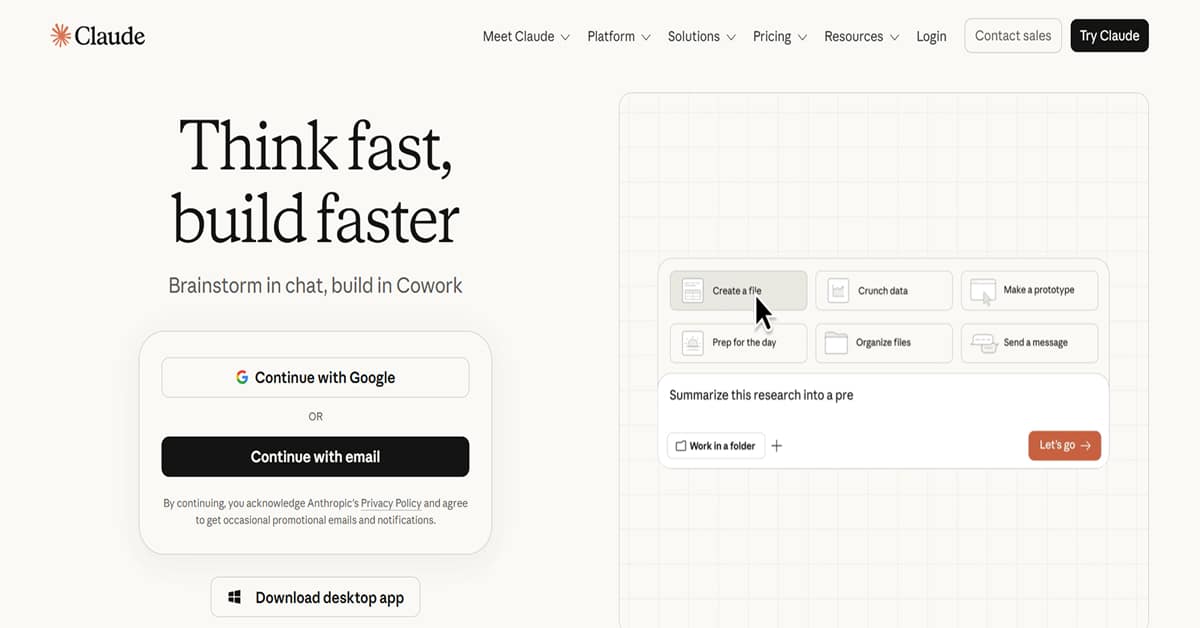
Claude flips this whole dynamic upside down. It isn't a traditional website builder or a web host. The mental model here is 100% conversational. You aren't piecing together pre-fabricated visual blocks; you're talking to a generative engine designed to translate human intent into raw computer logic. Talk about modern times. Some of us wished for something like this. Not going to lie.
Architecturally, Claude works as a totally detached coding assistant. Whether you're typing prompts into Claude Artifacts to preview a basic front-end interface, or using a terminal-based coding agent like Claude Code to modify a local development environment, the tool itself doesn’t actually host or run your finished website. It generates and helps work with the underlying code.
Workflow & Speed to First Draft
Think about your actual production timeline. You cannot afford to waste half a day fighting a dashboard interface when you are scrambling to hit a hard launch deadline.
Claude functions on a totally different wavelength. You pick a workspace—using Claude Artifacts for components or Claude Design for visual layouts—and stack text requests right next to a live preview area. The side-by-side setup lets you build a working interface prototype in minutes.
The formatting limits hit when you want to migrate that project to a permanent home. The platform allows instant public link sharing right out of the box. However, your deployment choices remain completely restricted unless you handle your own external hosting, developer servers, and custom domain setup for standalone applications. It works well if you want a fast preview. Just do not expect an all-in-one managed hosting experience or built-in marketing dashboards.
Squarespace operates on a completely opposite layout strategy. The Fluid Engine editor gives you extensive grid-guided placement options for your design elements! What a relief.
You grab an image block corner handle, drag it with your mouse pointer, and drop it down anywhere inside the section boundaries. What does that mean for your daily routine? It means you can execute highly custom visual arrangements without touching a single line of CSS code. Excellent!
Still, I suggest choosing Squarespace if you want an all-in-one website with zero tech headaches, and go with Claude if you need rapid prototypes and custom component code. It’s a no brainer, actually.
Design Freedom vs. Layout Constraints
Claude functions as a multi-mode environment. You choose a tool like Claude Artifacts for component logic or Claude Design for visual mockups, interacting with a dedicated split-panel workspace built to handle visual layouts. The side-by-side setup lets you spin up a working design canvas in minutes!
You might be annoyed to your core though when you try to integrate managed business tools. The canvas allows conversational tweaks, direct inline comments, and adjustment sliders to fine-tune spacing and color. However, your deployment choices remain completely restricted without your own external backend and custom domain setup. It works well if you want a complex custom layout live inside minutes. Just do not expect an all-in-one managed hosting experience or out-of-the-box marketing dashboards.
Squarespace’s Fluid Engine editor gives you extensive grid-guided placement options for your design elements! You grab an image block corner handle, drag it with your mouse pointer, and drop it down anywhere inside the section boundaries. You can execute highly custom visual arrangements without touching a single line of CSS code. Perfect!
I suggest choosing Squarespace if you want it laid-back.
Hosting, Infrastructure & Security
An all-in-one commercial hosting suite does not exist with Claude. You choose an environment and generate functional public links straight down the project thread. The unified workspace setup makes it much faster to test and share web interfaces when users load the shared public preview link on an iPhone.
Claude allows rapid interface sharing and frontend layout prototyping. However, your production choices remain completely restricted when your project requires integrated consumer payment processing out of the box. It works well if you want a working functional app preview live inside minutes. Just do not expect an all-in-one website or fully integrated business suite.
Squarespace’s managed hosting infrastructure gives you extensive out-of-the-box system maintenance for your design elements! You can execute highly custom visual arrangements without touching backend server provisioning, DNS zone file configurations, or manual database security patches.
Technical SEO & Page Performance Comparison
Squarespace’s managed SEO features give you extensive out-of-the-box search engine optimization and fast page loading performance for your design elements! You update your page settings with your mouse pointer and let the native architecture handle SSL mapping, clean HTML markup, and automated sitemaps. You can run a searchable business website without touching backend core performance optimization, speed audits, or manual mobile rendering scripts. Perfect!
Custom web applications, complex single-page tools, or distinct interactive layouts are scenarios where Claude's code generation is often better suited. The engine is specifically built to support direct prompt-driven code iteration. You have to budget extra time to connect third-party analytics tools and manually write your own asset compression code, but the interface adapts to nearly any structural arrangement you want to execute.
E-Commerce Features
Squarespace’s E-Commerce Features
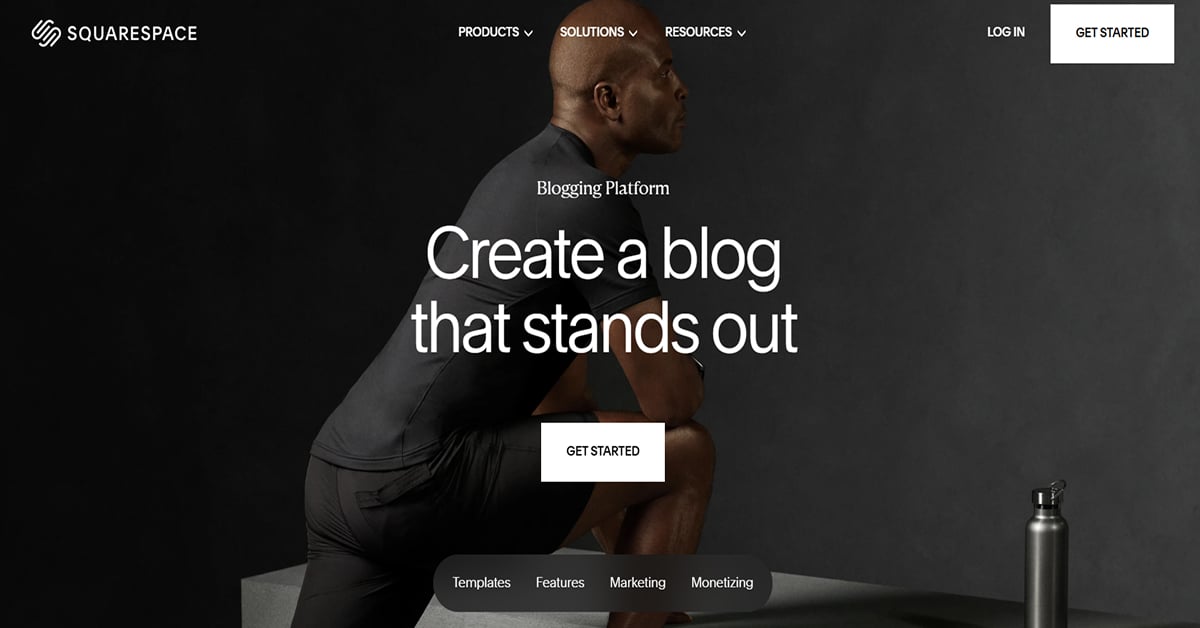
Squarespace tackles digital retail through a more comprehensive, all-in-one setup. Their framework builds many advanced transactional features right into your dashboard control screen. This structure helps you out by cutting down the total number of third-party plugins you have to install for common ecommerce tasks. Think about a chaotic holiday sales rush. You need to create automatic discounts and promotional offers that trigger right at the checkout screen. You want real-time carrier shipping calculations loading instantly in supported regions and configurations so unexpected postage fees don't ruin your profit margins.
The Squarespace dashboard lets you execute those specific promotions and shipping setups natively. They built specific systems into the platform to manage subscription-based products and memberships. Are you trying to win back customers who walk away mid-checkout? You can set up automated abandoned cart emails to follow up with people who leave items sitting inside their active baskets. The interface takes more manual effort to configure during your first week. No question about it. But it offers a much more integrated and modern ecommerce layout over the long haul.
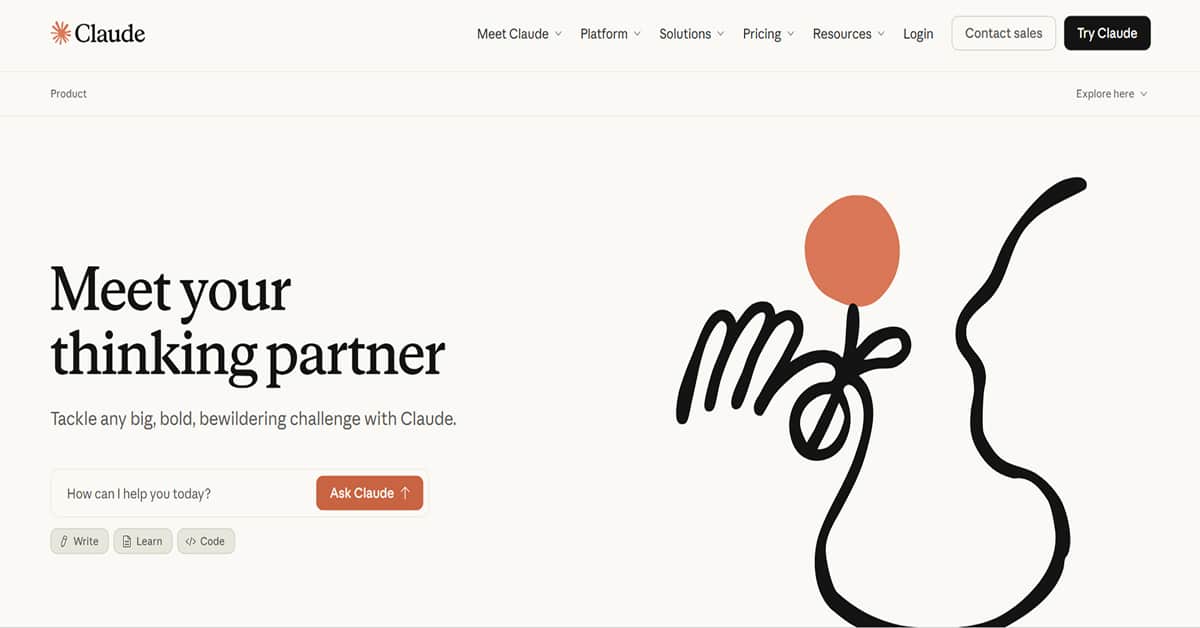
Claude is a strong choice for your ecommerce needs because you can execute highly custom interactive arrangements with natural-language instructions rather than manual styling configurations. The downside though is that an open development playground introduces manual backend steps. Sure, you can watch it sketch out and test interface components inside the workspace. But a standalone visual mockup won't magically process credit cards or manage real stock logs on its own. Bummer. You have to handle database integration outside the system, implement the required server-side logic, and manually hook up external payment services to keep the mobile checkout workflow from breaking.
If you just want to put products in a catalog and get paid, go with Squarespace. It is built for business owners who need speed, a quick setup, and managed checkout tools without touching code!
Highly tailored interactive micro-shops, custom booking configurations, or custom logic blueprints are scenarios where Claude's code generation is often better suited. Claude supports direct, natural-language code iteration. You have to budget extra time to connect external commerce integrations on your own, but the code can accommodate a wide range of functional arrangements.
Total Cost Breakdown
Squarespace’s Pricing 2026
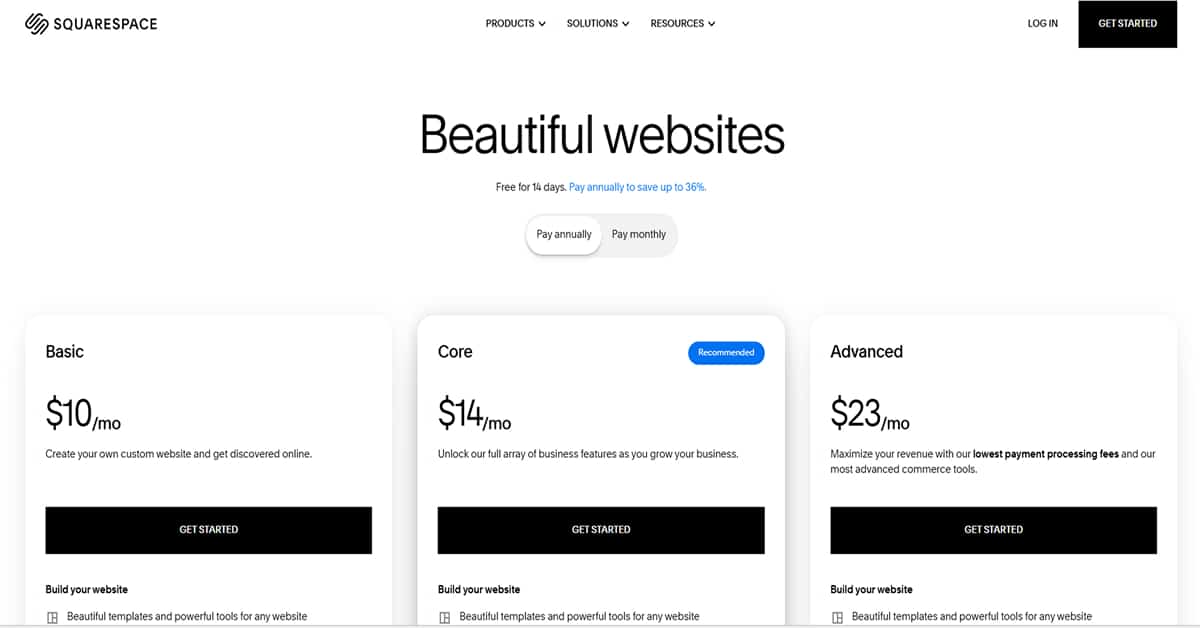
Looking at the options, Squarespace divides its platform into three distinct billing tiers.
The first level is the Basic plan, which sits at $10/month if you sign a contract for the full year. This tier gives you the fundamental layout tools needed to publish a clean profile page or landing screen, but it cuts you off from advanced integrations. Moving up to the Core tier costs $14/ month under an annual agreement. The system labels this as the recommended choice because it opens up the complete collection of business tools and marketing functions to help expand your client lists. The highest tier is the Advanced plan at $23/ month with a yearly commitment. This option is designed to maximize overall transactions by dropping checkout processing fees to the lowest point and unlocking their most complex store mechanics.
Claude Pricing
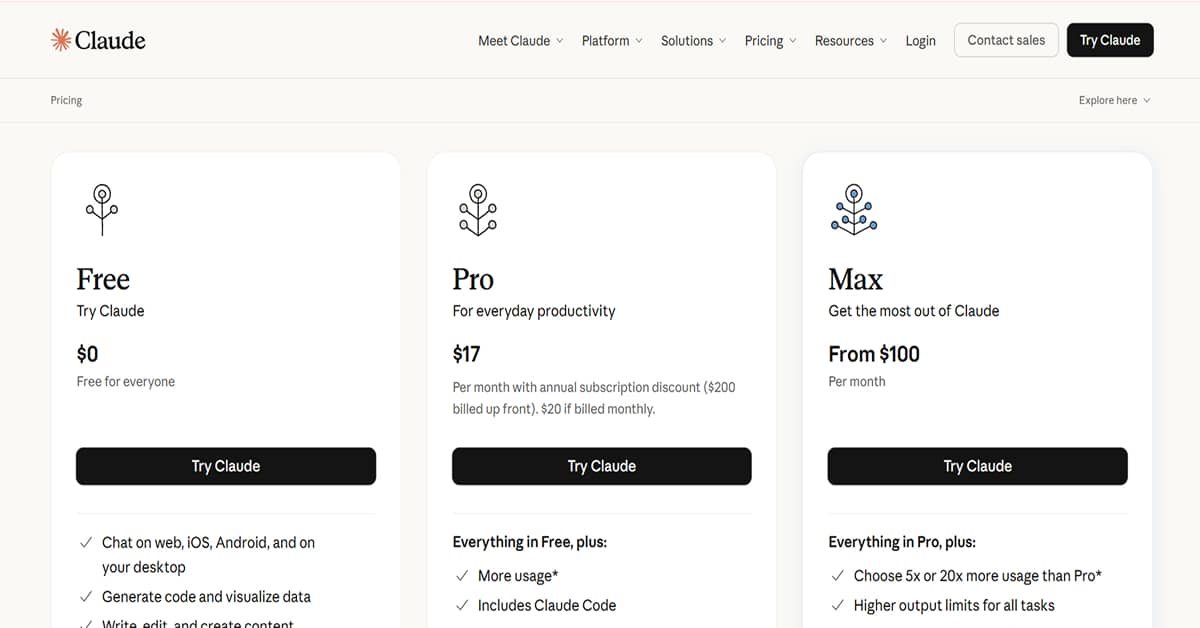
Looking at the options, Claude divides its platform access into three distinct billing tiers.
The first level is the Free plan, which sits at zero cost per month with no commitments required. This option lets you try out core workspace features like writing text, searching the web, and visualizing code data, but you get stuck behind low usage caps when servers are busy. Pay $17 each month if you hand over cash for the whole year at once, or choose the $20 flat rate on a standard month-to-month track to move up to the Pro tier. It gives you way more message space, drops you into creative spaces like Claude Design, and syncs straight with tools like Microsoft 365. The highest tier is the Max plan starting from $100/month under a high-output framework. This option is designed to support power users by serving up twenty times the standard usage limits, unlocking early feature previews, and guaranteeing priority access during peak traffic spikes.
Features Comparison
Claude is awesome if you want to build completely custom tools from scratch. That’s what AI is for…
You just describe what you want in chat instead of clicking through a million settings tabs. It is ultra-fast. Convenient, as they say. The main catch is that you don't get a turnkey set of business features with a basic chat setup. Obviously, it will build neat widgets and working web tools through its interactive workspace. But a loose code file won't give you a built-in blog dashboard, built-in marketing analytics, or built-in domain management. You have to handle lots of stuff. It can be a massive chore.
Squarespace is the clearer choice if you need to launch a standard business site quickly. You can add items to a built-in store list and get marketing features in a snap! It gives everyday business owners an all-in-one managed package!
Customer Support
Squarespace organizes its support workflow through a centralized dashboard setup. They handle incoming help requests through a guided portal page inside your main account interface. You log into the help console, describe your issue, and select from their primary available support channels. They focus heavily on live chat during specified support hours and email assistance, alongside setup guides and webinars.
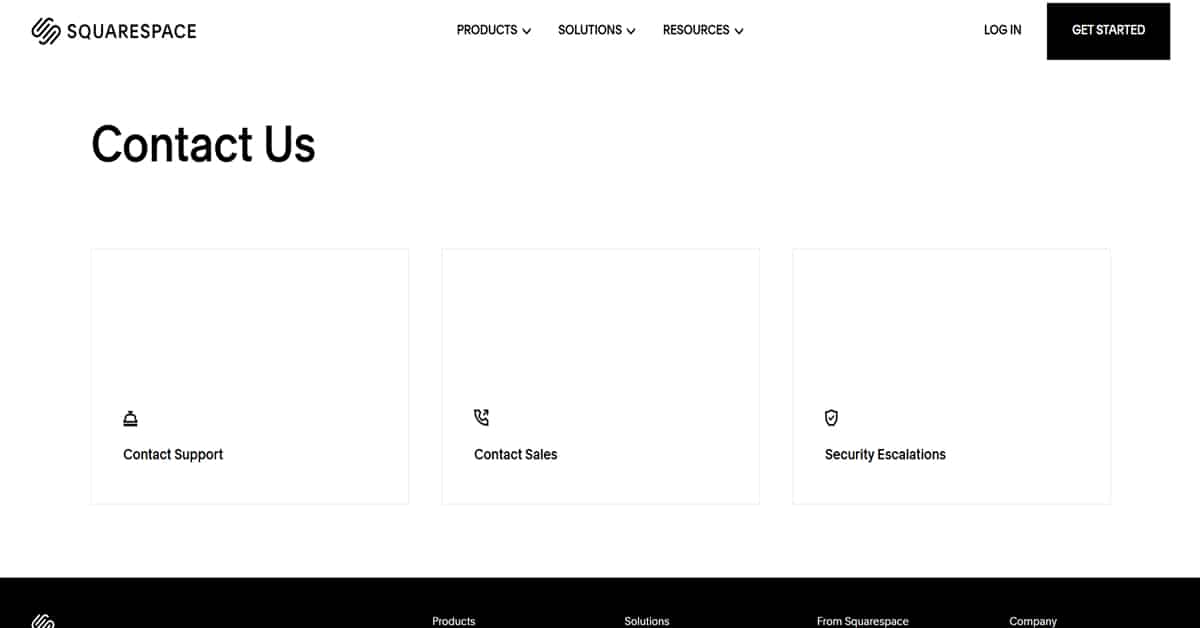
The availability of these options shifts depending on your plan, language, and geographic location. The contact flow guides you through a series of troubleshooting questions before directing you to the open support options. Once you click through those verification steps, the layout connects you to their active support avenues to address your brand's technical problems.
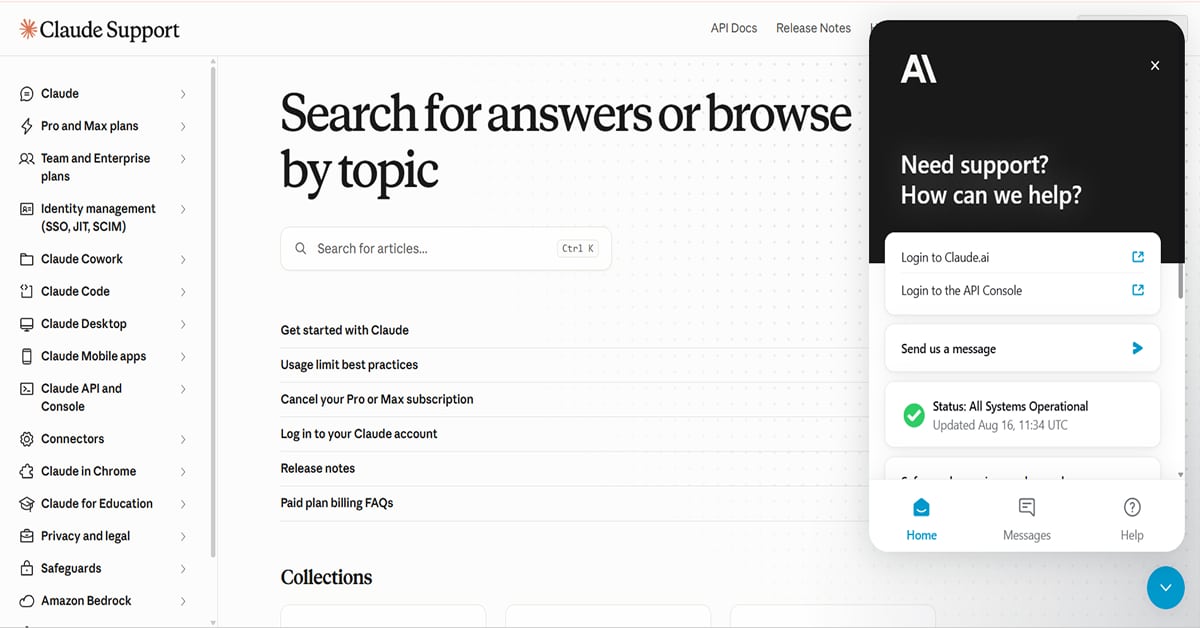
On the other hand, Claude channels help options through an automated workspace widget and a self-service resource center. An active phone center or instant human live chat dashboard does not exist inside this system. You look up troubleshooting topics inside the system guidebooks or activate the built-in support messenger button directly within the interface screen. You have to interact with an AI help bot or wait on email message queues from support staff when your project runs into a technical wall.
If you want an environment where you can quickly message real-life, go with Squarespace's Help Center. It operates smoothly for creators who value 24/7 email ticketing streams and official live chat help over debugging code strings inside an automated workspace panel.
Final Verdict: Which Platform Fits Your Project?
Deciding where your website lives comes down to an honest assessment of your current business goals and your overall patience for platform limitations. You cannot look at these two tools as similar options anymore. They serve completely different types of users, and their development paths have moved in opposite directions.